



Effective tax planning is one of the smartest ways small business owners can improve cash flow, reduce stress, and stay compliant with HMRC. Too often, tax is treated as a once-a-year problem, but proactive planning throughout the year can make a significant difference to how much tax you legally pay. Below are essential tax planning tips every small business owner should know.
1. Keep Accurate and Up-to-Date Records
Good tax planning starts with good bookkeeping. Maintaining accurate records of income, expenses, invoices, and receipts ensures you never miss allowable deductions and helps avoid costly errors. Using cloud accounting software and regularly reconciling accounts can save time and give your accountant the information they need to plan effectively.

2. Understand What Expenses You Can Claim
Many small business owners overpay tax simply because they don’t claim all allowable expenses. Common deductible costs include office supplies, software subscriptions, professional fees, travel expenses, and use of home as an office. Understanding what you can and cannot claim is crucial for reducing your tax bill legally.
3. Plan for VAT Early
If your turnover is approaching the VAT registration threshold, early planning is essential. Registering at the right time, choosing the correct VAT scheme, and understanding how VAT affects pricing can prevent unexpected liabilities. A local accountant can advise whether the Flat Rate Scheme or standard VAT accounting is best for your business.

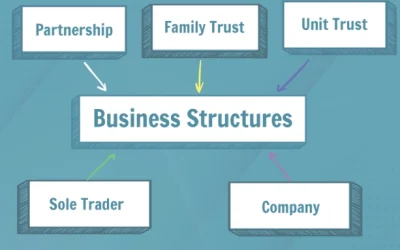
4. Choose the Right Business Structure
Sole trader, partnership, or limited company—your business structure directly affects how much tax you pay. For example, limited companies can be more tax-efficient as profits are subject to corporation tax rather than income tax. Regular reviews ensure your structure still suits your business as it grows.
5. Set Aside Money for Tax Bills
One of the most common mistakes small business owners make is not budgeting for tax. Setting aside funds regularly for income tax, corporation tax, VAT, and National Insurance helps avoid cash flow issues and late payment penalties.

6. Make Use of Allowances and Reliefs
Tax allowances and reliefs such as the Annual Investment Allowance, pension contributions, and capital allowances can significantly reduce your tax liability. Planning major purchases or investments at the right time can make a big difference.
7. Work With a Local Accountant
Tax rules change frequently, and keeping up can be challenging while running a business. A local accountant understands both national regulations and local business needs, providing tailored advice that goes beyond basic compliance. Regular tax planning meetings ensure there are no surprises at year-end.
Final Thoughts
Effective tax planning isn’t about avoiding tax—it’s about paying the right amount at the right time. With proper planning, accurate records, and professional advice, small business owners can stay compliant, improve profitability, and focus on growing their business with confidence.