


Why Accurate Records Matter
Keeping accurate accounting records is essential for every small business, regardless of size or industry. Proper records help you understand your financial position, meet legal obligations, and make informed business decisions. They are also vital for completing tax returns, preparing accounts, and responding to any enquiries from HMRC. Poor record-keeping can lead to penalties, missed tax reliefs, and unnecessary stress.
Sales Records and Income Documentation
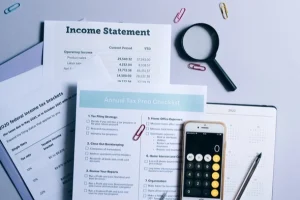
Small businesses should keep detailed records of all income received. This includes sales invoices, till receipts, online sales reports, and records of cash payments. These documents show how much money your business earns and when it is received. Accurate sales records are essential for calculating profits, completing VAT returns, and preparing year-end accounts.
Purchase Records and Business Expenses
You must also keep records of all business expenses. This includes supplier invoices, receipts, bank statements, and contracts. Common expenses include stock purchases, rent, utilities, marketing costs, and professional fees. Keeping clear expense records ensures you can claim allowable deductions and reduce your tax bill while remaining compliant with tax regulations.
Bank Statements and Cash Records
Business bank statements are a key part of your accounting records. They help verify income and expenses and provide a clear audit trail. If your business handles cash, you should also maintain cash books or petty cash records. These show daily cash movements and help prevent errors or discrepancies in your accounts.

Payroll and Employee Records
If you employ staff, you must keep accurate payroll records. This includes employee details, payslips, PAYE records, pension contributions, and reports submitted to HMRC. Payroll records are essential for complying with employment law and tax regulations and must be kept for several years after employment ends.
VAT Records and Supporting Documents
VAT-registered businesses must keep additional records. These include VAT invoices, VAT receipts, import and export documentation, and VAT account summaries. Accurate VAT records ensure your VAT returns are correct and help avoid penalties or interest charges for errors or late submissions.
Tax Records and Financial Statements
Small businesses should retain copies of submitted tax returns, calculations, and correspondence with HMRC. You should also keep annual accounts, profit and loss statements, and balance sheets. These records provide a clear financial history of your business and are often required by lenders or investors.
How Long Should Records Be Kept?
In most cases, accounting records must be kept for at least six years. This includes sales, expenses, VAT, payroll, and tax records. Keeping records for the correct length of time ensures compliance and protects your business if HMRC requests information in the future.

Getting Professional Accounting Support
Maintaining accurate records can be time-consuming. A local accountant can help set up efficient bookkeeping systems, ensure compliance, and provide ongoing support. Professional guidance gives small business owners peace of mind and more time to focus on growing their business.